Sliding doors, a mullet, and a fork: The psychology of your digital legacy
In 2026, choosing between human connection and machine efficiency is a “Sliding Doors” moment. The SEO Mullet framework resolves this bifurcation, allowing you to satisfy both human trust and AI structure.
By Carla dos Santos | Senior Contributor & Systems Architect
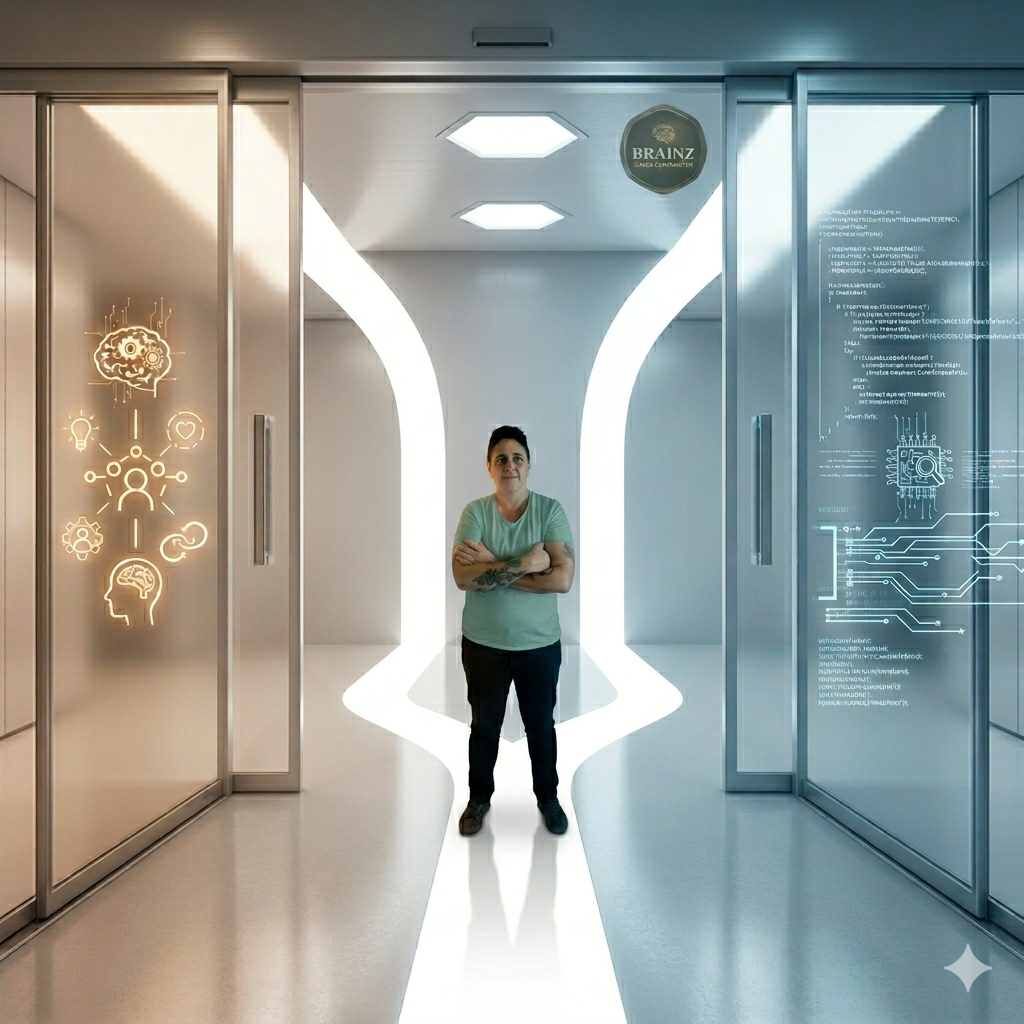
1. The psychology of the fork: Resolving the split mind
To be discovered in 2026, you must speak two languages simultaneously. Most brands fail because they only choose one:
- The human path: Optimising for connection. It feels authentic but ignores the AI gatekeepers of discovery.
- The machine path: Optimising for efficiency. It feels modern but strips away the E-E-A-T that triggers a human purchase.
The SEO mullet framework
This is the resolution: Business in the front, AEO in the back. The “Front” satisfies the human need for trust and story. The “Back” satisfies the machine’s need for technical structure and semantic precision.
2. Architecting digital equity
Using the C-I-D-D Framework (Component, Insight, Design, Deployment), we architect a presence that mirrors the dual-processing nature of the human brain. This is Market Bifurcation Mastery.
The most common psychological barrier for CEOs is the “Retainer Trap”—the fear that they don’t truly own their success. My model hands you the keys to the architecture so you own your data, your story, and your legacy.
The coach’s verdict
“The ‘Sliding Door’ of the AI revolution is swinging open. Don’t waste time choosing a side of the fork. Build the architecture that allows you to walk through both doors simultaneously. Digital equity isn’t rented; it’s architected.”